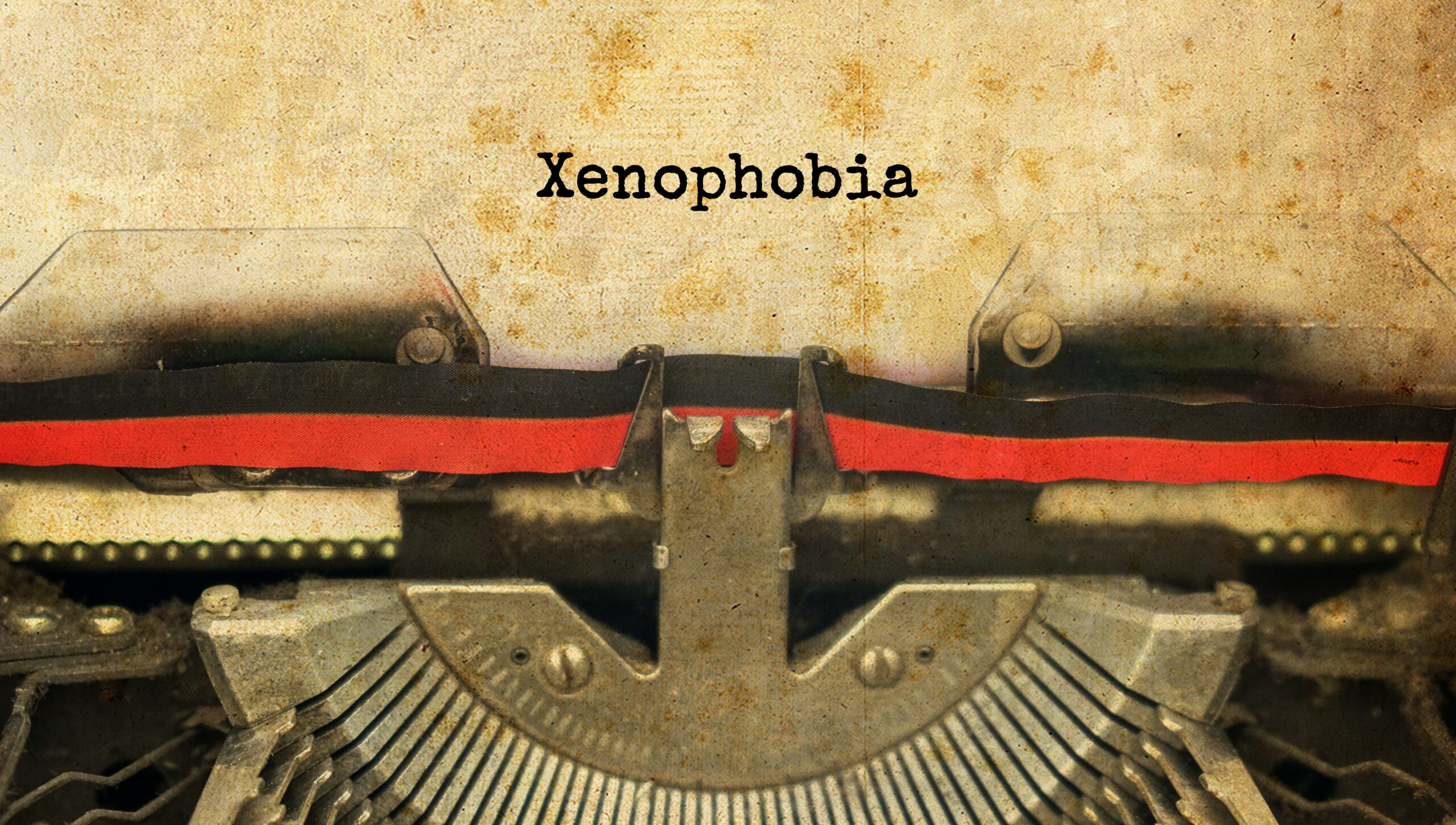
Fr Bobby Gilmore looks at the roots of the words ‘xenophobia’ and ‘genocide’ and asks if the word ‘veracide’ should be added to our lexicon to describe the death of truth.
Pilate asked; “What is truth?”
Frequently one hears the expression, usually after some atrocity; “it is difficult to find words to describe what happened here.” But words are all there is to communicate. If there are no words or word to describe a particular event someone will try and invent a specific word that adequately describes what has occurred. Such was the case in the invention of the words xenophobia and genocide.
They are words that describe incidents in the past but which are becoming more frequent in modern times such as the appalling events perpetrated by political leaders and regimes in Myanmar against the Rohingya people, in Ukraine, the Armenian population in Nagorno Karabakh, and the Palestinians.
Both xenophobia and genocide arose from two events, one in nineteenth century China and the other in twentieth century in Europe. In China the Qing dynasty was in decline. Colonising empires saw this as an opportunity to insert themselves and claim spoils from the disarray. Naturally, Chinese people seeing European invaders benefit while they themselves experienced deprivation were resentful. This turned to general hostility against all foreigners. Out of this hostile atmosphere a paramilitary group emerged intent on ridding China of all foreigners.
The aim of the Boxers was bolstered by the general destitution in rural areas due to flooding and crop failure. Attacks by the Boxers on foreigners were indiscriminate and included missionaries, mercenaries, merchants and marketeers irrespective of whether they were British, Portuguese, German, French, Dutch, Russian or Japanese.
News of this anti-foreign aggression left the western metropoles and media grasping for words to describe these incidents. Eventually, a mishmash of words of Latin/Greek origin was cobbled together from ‘phobia’ meaning fear, with the Greek word ‘xenon’ meaning foreigner, and introduced in French as xenophobia.
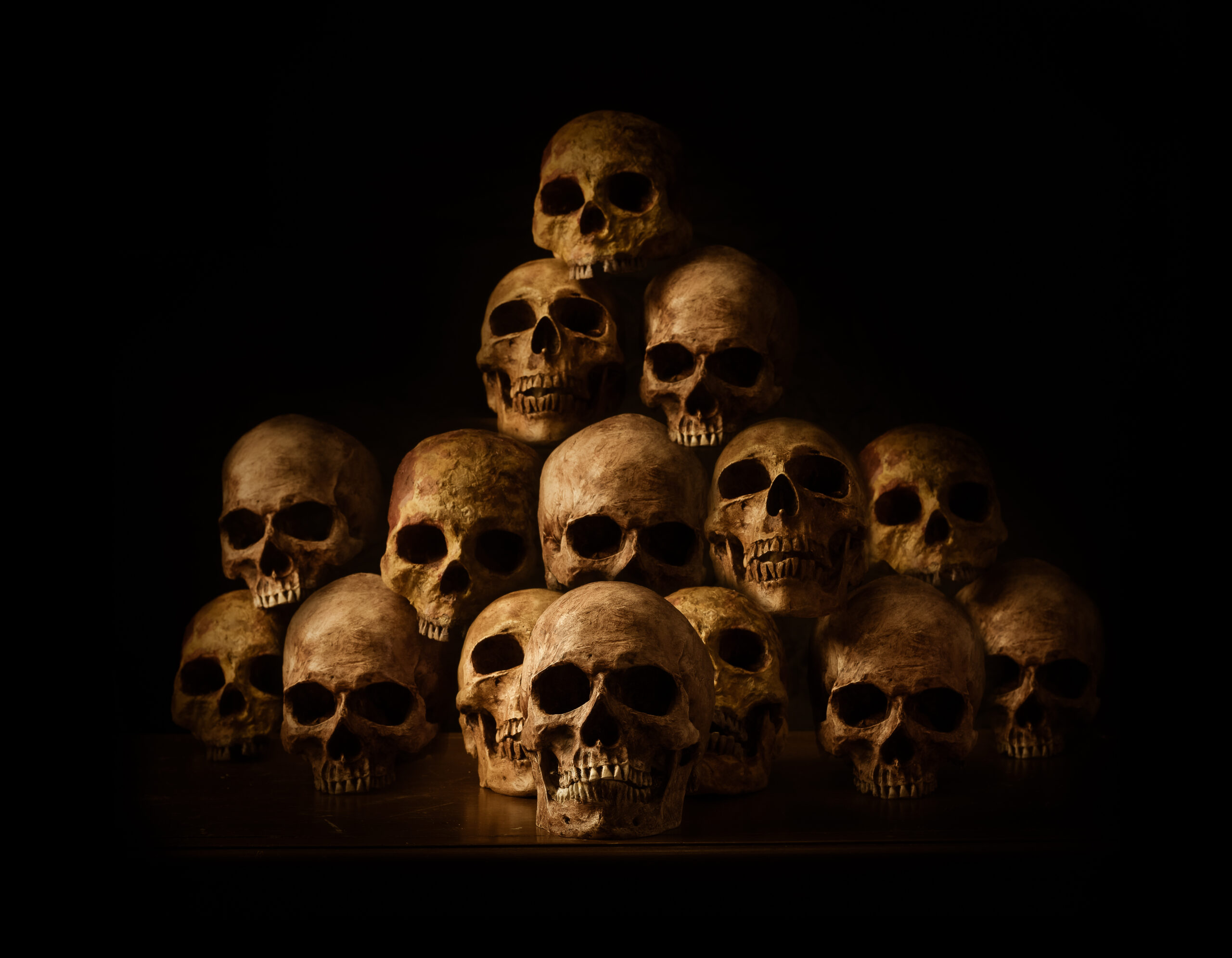
Image Shutterstock
Nazi atrocities during World War II were, according to Winston Churchill in a 1941 broadcast, a crime without a name. In 1944, Raphael Lemkin, a Polish-Jewish lawyer, argued that new terms were needed for the unprecedented mass murder and extermination of the Jews. Raphael was born into a Jewish tenant farming family in what is today Belarus in 1900. Borders in that area were constantly changing as they are today. His tenant family were mistreated by landlords and experienced severe antisemitism.
Later, as a state prosecutor in Poland and Ukraine he became aware of the persecution and death of Jews, Christians, Armenians and others in the Ottoman Empire. He noted they were persecuted and killed because of their ethnicity, religion and culture, because of who they were. There was no agency to investigate and bring the persecutors to justice for killing their own people.
This concerned him so much that while living in Warsaw he campaigned for the setting up of a global body to investigate and punish crimes against humanity. He called for a special agency to be set up to try nations for crimes against specific ethnic groups because of their nationality, culture and beliefs. He made proposals at many conferences but these were ignored as Hitler was coming to power in Germany. After the invasion of Poland by Hitler, Raphael Lemkin decided to leave.
He made his way to Sweden suffering deprivation along the way. Later, he made his way to the United States. At university there he campaigned for legislation for those who committed mass persecution, ethnic cleansing or extermination against groups. However, there was no word to describe these atrocities.
Image Shutterstock
Eventually, from his language studies he came up with two words: genos from Greek meaning race or tribe and cide meaning killing. Combining them he invented a new word: genocide. Returning to Europe in 1945 he reunited with his brother to discover that all his immediate family had perished in the Holocaust.
Energised by this terrible loss he continued his campaign to have the crime of genocide recognised internationally. His pleading bore fruit. In 1948 the United Nations passed the Genocide Convention. Like xenophobia, genocide became a single word to describe specific incidences of intolerance, depravity and extermination.
Presently, probably more than ever before, the death of truth is apparent. All kinds of words are used to justify falsehood such as alternate reality, false data, fake news, lies etc. One could say that such was always the case. However, in an age of technological expertise the spread of falsehood, fake news, invention of alternate reality has become a daily tsunami. This torrent leaves people little time to fact-check.
What has become apparent is the death of truth. Should one word suffice to explain this phenomenon? Would veracide from vera meaning truth and cide meaning death be an appropriate word to accompany genocide and xenophobia? Untruth, falsehood, alternate reality, and lies are spirit-destroying, they kill trust, hope, confidence, belief – and even the possibility of belief. The death of truth is doing to trust at every level what carbon dioxide is doing to the atmosphere. Democracy, like the planet, is at risk.
“Love does not rejoice at wrongdoing but rejoices with the truth.” (Cor. 1 13-16)
“The ideal subject of totalitarian rule is not the convinced Nazi or the convinced communist, but people for whom the distinction between fact and fiction and the distinction between true and false no longer exist.” Hannah Arendt, ‘The Origins of Totalitarianism’.
Fr Bobby Gilmore campaigns on migrant issues. Ordained in 1963, he worked in the Philippines from 1964-1978. From 1978 to 1992 he was Director of the Irish Emigrant Chaplaincy in Britain. On returning to Ireland from mission in Jamaica in 1999, he founded the Migrants Rights Centre Ireland https://www.mrci.ie/
First published in the January/February 2026 issue of the Far East magazine. Please subscribe to the Far East and support Columban Missionaries in their work with the most disadvantaged. See https://columbans.ie/far-east-magazine/
