
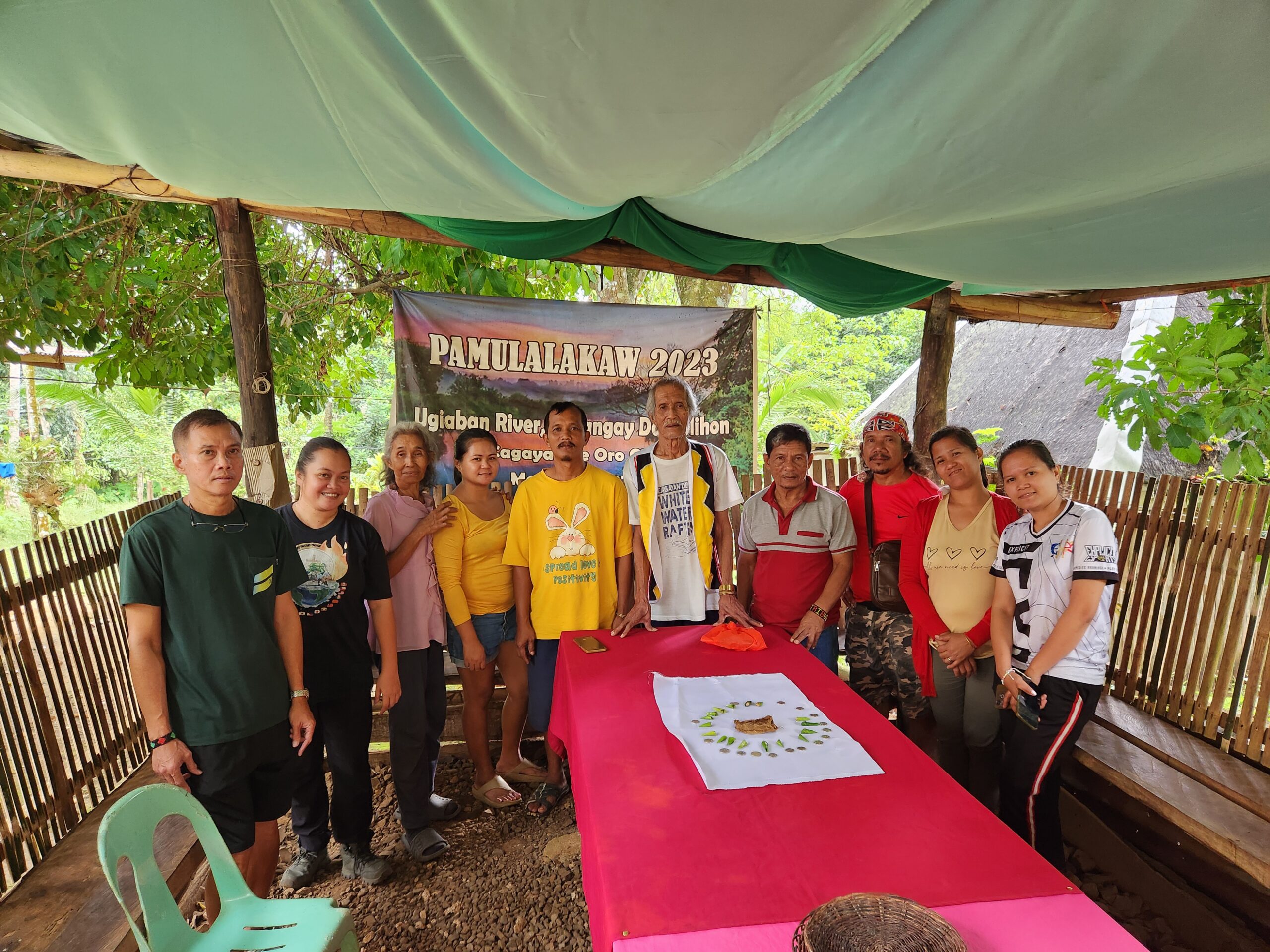
As we begin Lent, the Society’s Central JPIC Coordinator, Amy Woolam Echeverria, reflects on Jesus’ meeting with the Samaritan women at the well.
The story of Jesus meeting the woman at the well is a deep source of hope and comfort for Christians. By encountering the Samaritan alone at the well and asking her for a drink, Jesus demonstrated that his love was not constrained by social norms and cultural expectations.
The woman quickly realised that the water Jesus offered her was to the living water of eternal life. Does this mean that the Samaritan woman’s well is reduced to being a symbolic backdrop to the deeper well that was Jesus? I don’t think so.
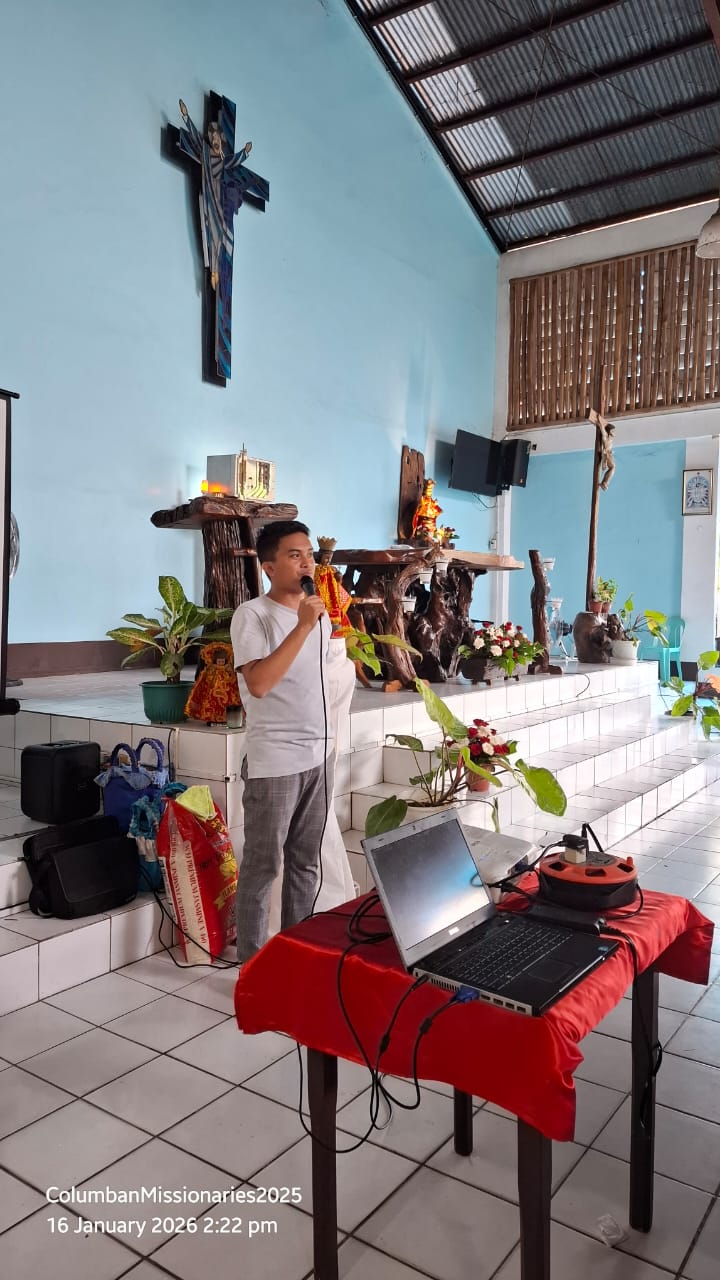
The leader of the Ministry to the Deaf at OLPH giving a talk on the ministry
Jesus showed us that the spiritual and material intermingle at the well, at the table, by the sea, and on the land. What would have happened if the Samaritan woman could not have gone to the well?
For many Indigenous Peoples around the world, this is a very real question because their sacred waters are under threat. For Subanens in Mindanao, Philippines, their sacred lake, Duminagat, is under just such threat. This lake tucked in the protected park of Mt Malindang will soon be overtaken by eco-tourism.
While people still need to hike in to reach the lake, the governor of the province has greenlighted the project that is right now stripping the mountain (also sacred) to make roads so that tourists can consume the lake’s beauty.
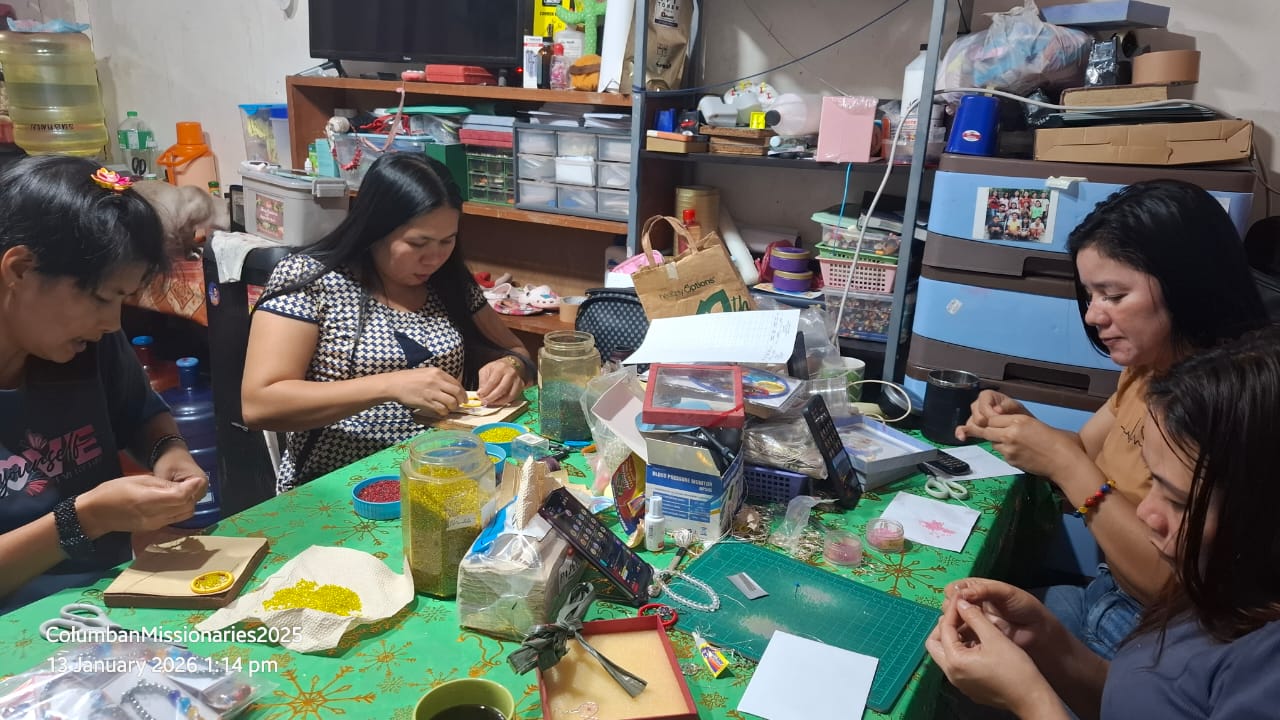
Subanen artists making mandala jewelry at the Subanen Crafts workshop in Ozamis.
I met Subanen women who spoke to me of the deep sadness, anger, and vulnerability they feel to be losing access to their sacred living waters despite their best efforts to protect the lake.
Their ancient rituals, beliefs, and identity still practiced today are intimately tied to Duminagat. I imagine them much like the Samaritan woman, who expressed a deep sense of connection to land and the well by noting that the mountain where she and Jesus met was sacred for her ancestors.
This Lent, let us remember that the sacred waters of the well for both the Samaritan and the Subanen were and are real places of encounter with the Creator. Let us find ways to protect the sacred waters wherever we are.
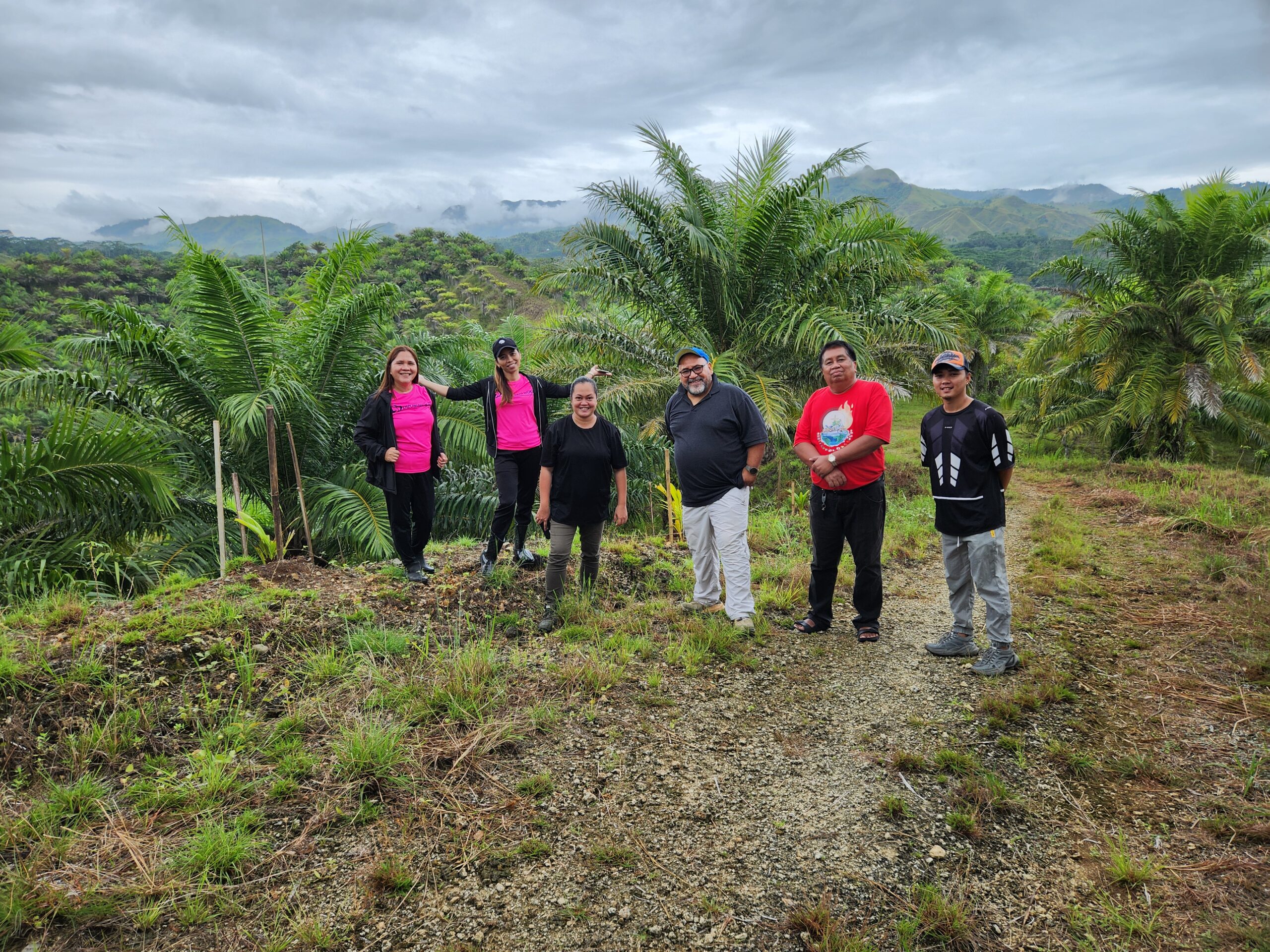
5. Marjorie Engcoy, Fr Enrique Escobar and parish leaders visiting reforestation project in Cagayan de Oro.