
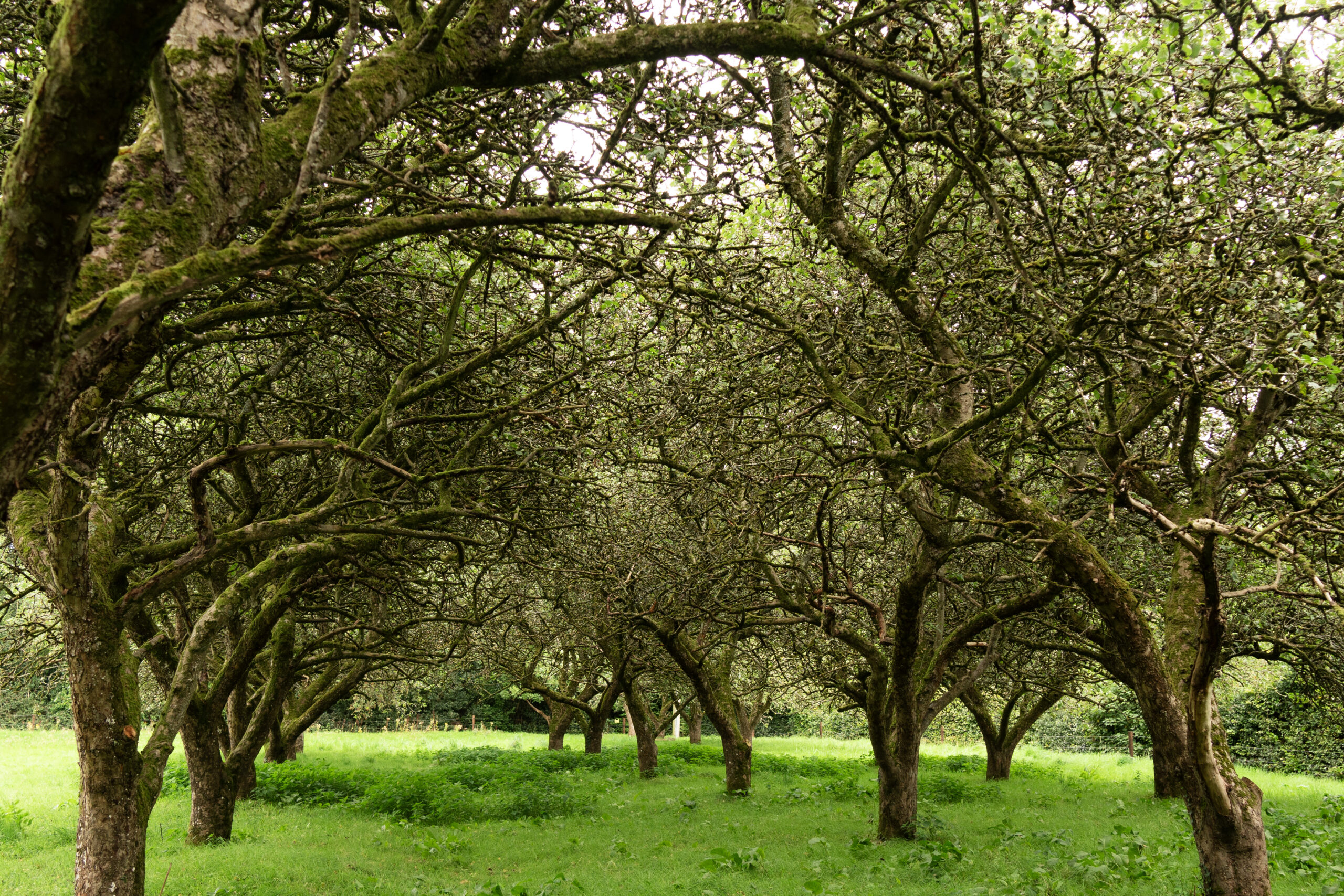
As we continue to celebrate the Season of Creation through various activities and events this month, we look at some of the projects inspired by Laudato Si’ which the Columbans in the region of Ireland have undertaken.
In 2015, Pope Francis published ‘Laudato Si’: On Care for Our Common Home’, a groundbreaking encyclical that called the global Catholic community and people of goodwill to ecological conversion. Columban Missionary Fr Seán McDonagh was an adviser on the early drafts of the encyclical.
The document underlines that the climate crisis, biodiversity loss, and environmental degradation are not only scientific or political issues but spiritual and moral challenges.
Here in the region of Ireland, Columban Missionaries have undertaken a number of small-scale sustainability projects inspired by Laudato Si’, mostly centred on Dalgan Park, Co Meath. The projects are modest, but they form part of the wider international Columban network of commitment to the aims of Laudato Si’.
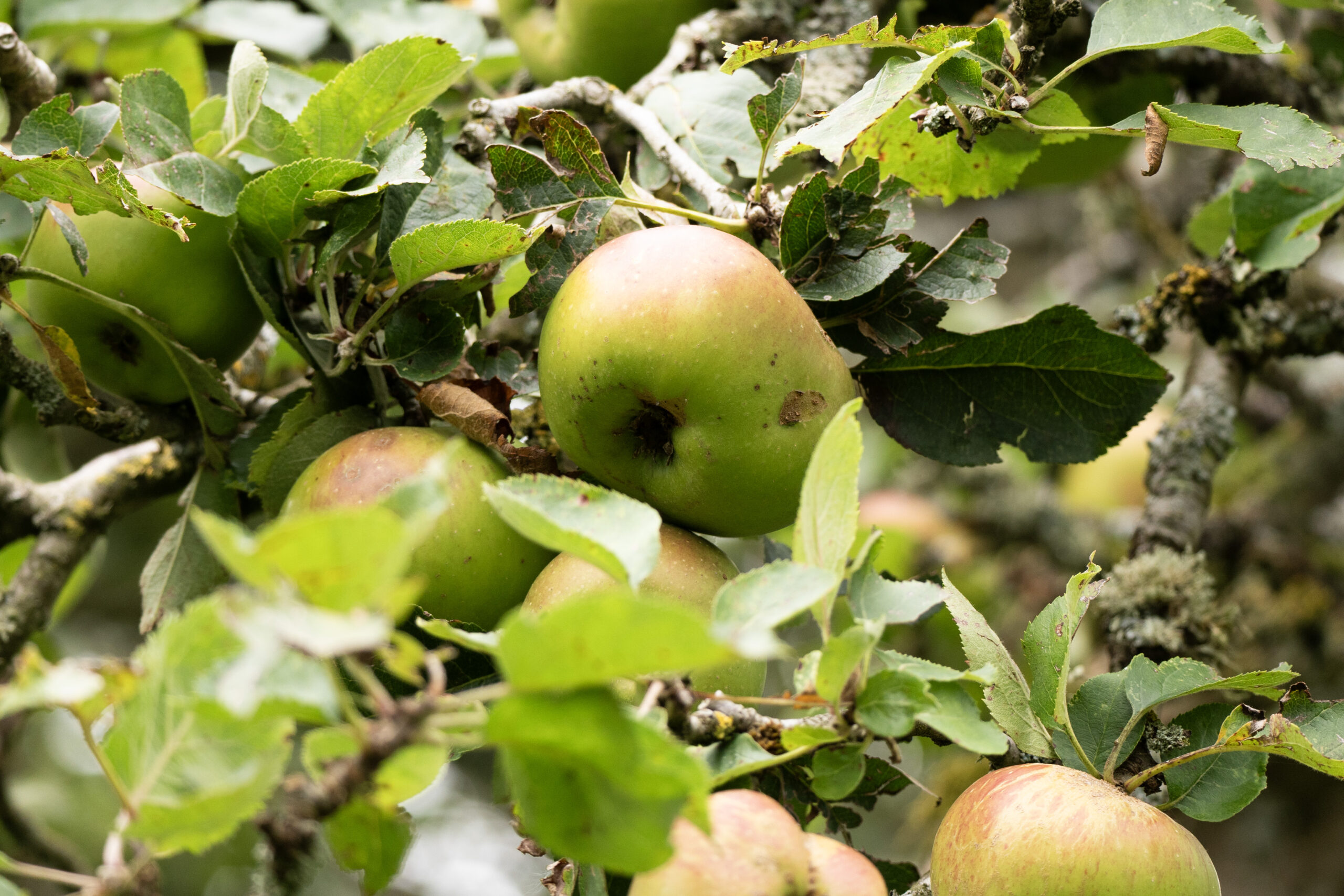
Apples growing in the orchard in Dalgan. Photo: ColumbanMissionImages
Integrating Laudato Si’ into Worship and Community Life
The region has worked to ensure that Laudato Si’ is seen as part of the Church’s core mission. During the Season of Creation (1st September to 4th October 4) Laudato Si’ themes are brought to the fore in Sunday and daily Masses. Scripture, prayers of the faithful, and homilies are enriched with ecological reflection, reminding worshippers that creation is a gift entrusted to human care, and that respecting the earth is an act of worship.
By weaving ecological consciousness into worship and community gatherings, the region ensures that environmental concern is not an add-on, but a core dimension of Christian discipleship.
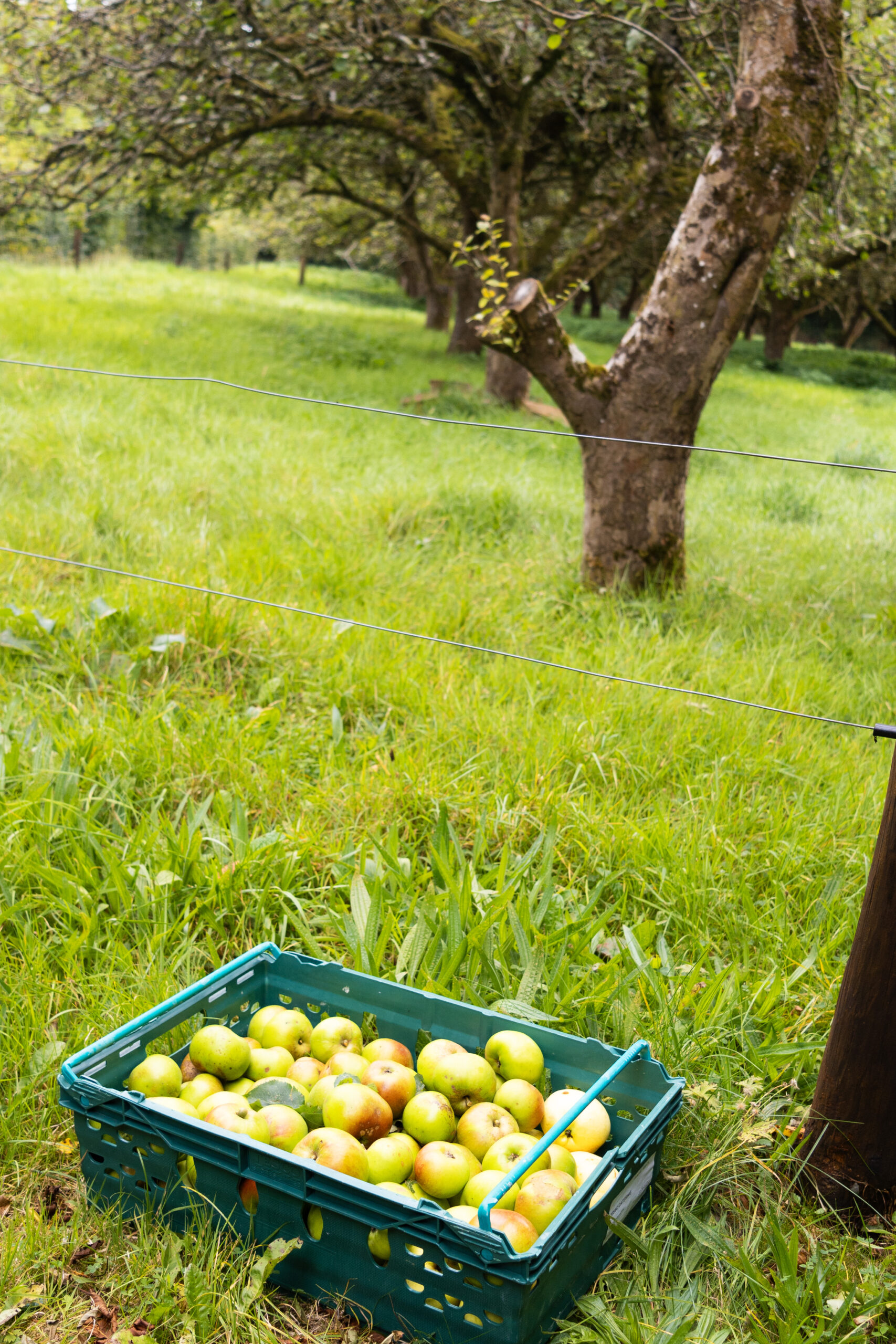
Photo: ColumbanMissionImages
This liturgical focus is complemented by community activities. For example, on 23rd August, the Columbans organised a biodiversity appreciation walk through Dalgan’s woodland. Led by Ger Clarke, retired JPIC officer for the Columbans, the walk introduced about 40 participants to local ecosystems. The walk was both educational and spiritual, fostering a sense of wonder, responsibility, and community and allowing participants to see, hear, and touch nature in this beautiful woodland setting.
Renewable Energy: Solar Panels as Witness
Though Dalgan’s solar panels have been in place for many years, they remain a visible symbol of the community’s commitment to renewable energy. The panels reduce reliance on fossil fuels, cut emissions, and lower energy costs. But their value goes beyond efficiency.
They demonstrate to visitors, and neighbouring communities that sustainable technology is viable and worthwhile. In this way, the panels serve as a witness, embodying Laudato Si’s call to transition away from destructive energy systems.
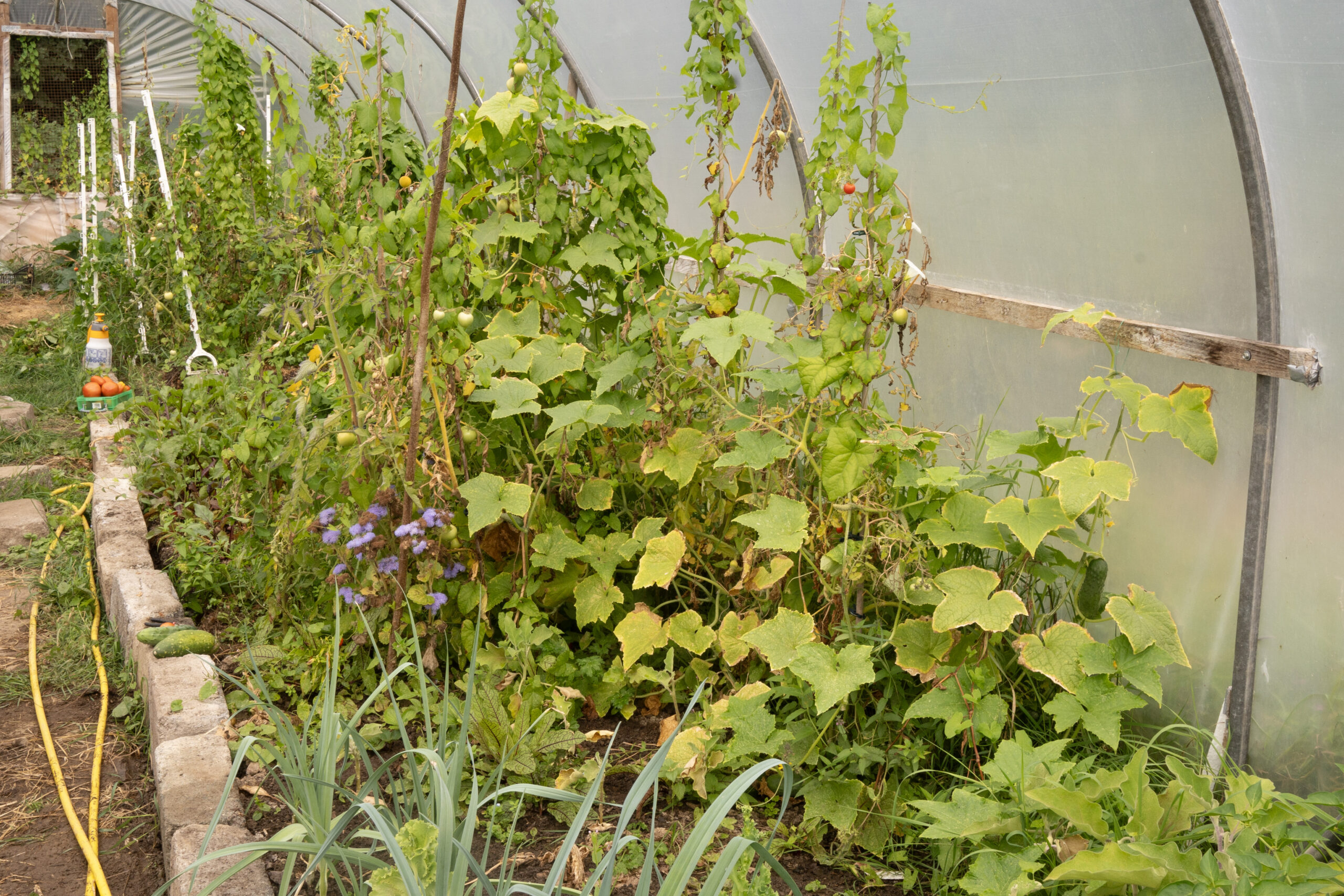
The polytunnel in Dalgan. Photo: ColumbanMissionImages
Polytunnel and Organic Garden
An important ecological project in the region has been the establishment of a polytunnel and organic vegetable garden. This initiative is led by Tom Hanley, a Columban missionary recently assigned to the region. He has an agricultural background and decades of pastoral experience in Latin America, particularly in northern Chile. He believes passionately that Laudato Si’ must move “from paper to soil.” In other words, it must not remain an inspiring text but must take concrete, material form in how communities live and produce.
In the polytunnel vegetables such as tomatoes, courgettes, beans, onions, and lettuces are cultivated. These are used in the community kitchen, reducing dependence on external supply chains and ensuring fresh, chemical-free produce.
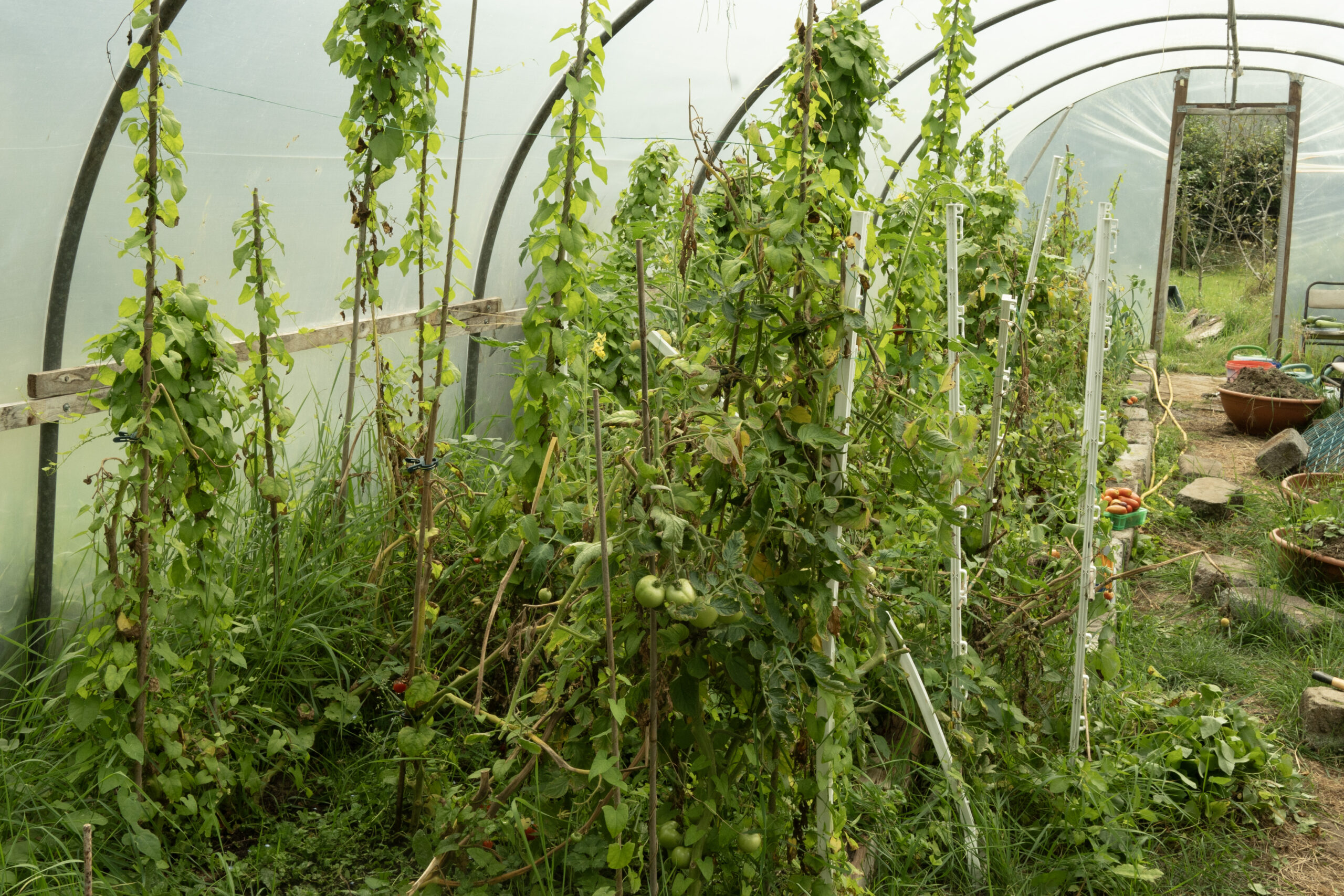
Photo: ColumbanMissionImages
The project also integrates composting. Kitchen waste and garden cuttings are returned to the soil, closing the nutrient cycle. This “circular” approach avoids waste, enriches the land, and models sustainable practice.
The polytunnel has also become a site of education. Community members observe how organic production works, learn about soil health, and experience firsthand the satisfaction of growing food. The project demonstrates that sustainability is not abstract but practical, achievable with a shovel and a compost heap.
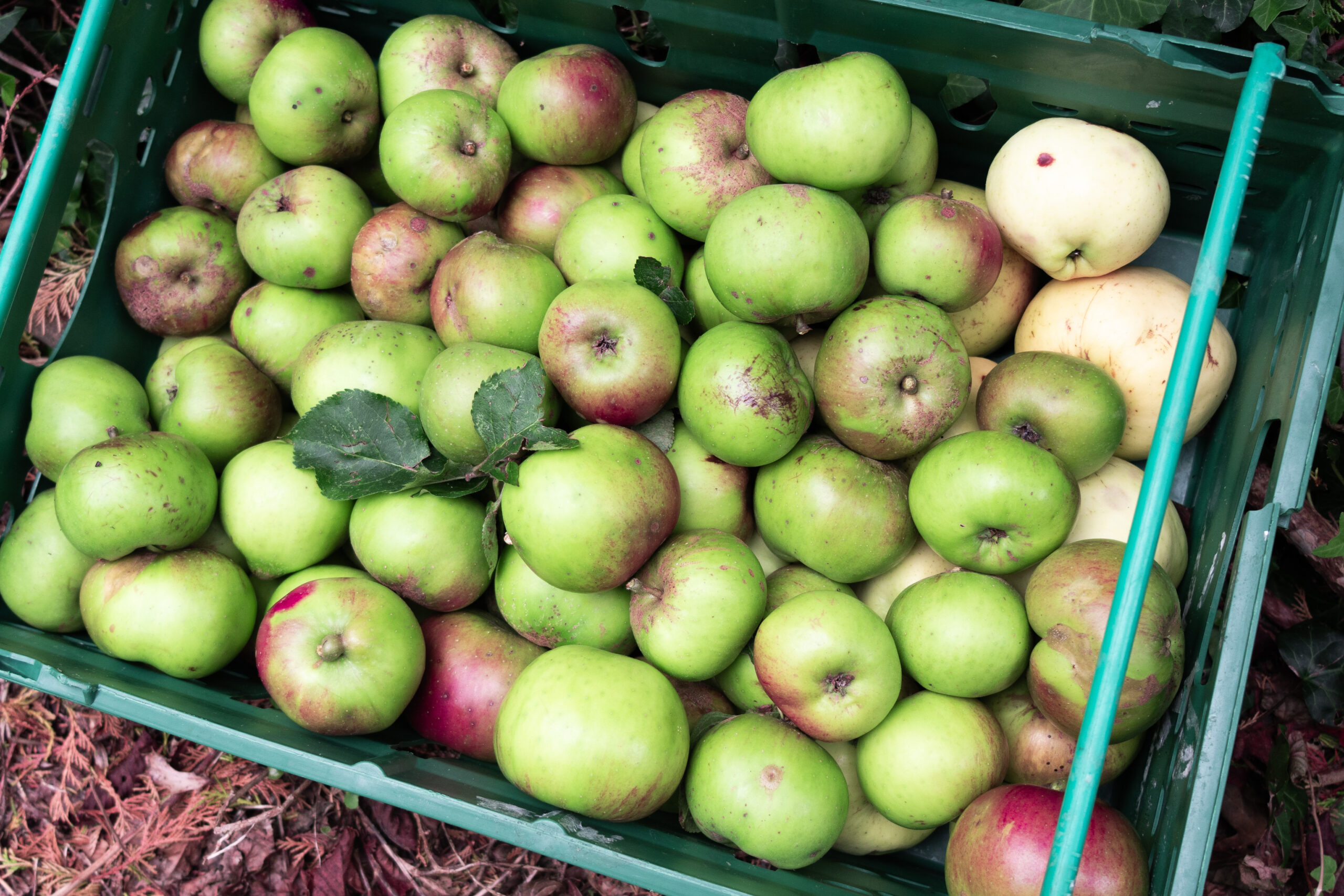
Apples for ‘Tuesday Night Peelings’. Photo: ColumbanMissionImages
The Orchard and Tuesday Night Apple Peeling
Tuesday Night Apple Peeling is rooted in the use of Dalgan’s 50-year-old orchard which was planted by seminarians all those decades ago. The orchard continues to bear abundant fruit. Each autumn, Columbans from Dalgan gather weekly to peel apples, stew them, and freeze them for the year ahead. The practice is deeply symbolic. It honours the foresight of those who planted the orchard half a century ago, and Laudato Si’s emphasis on sustainability.
The apple peeling sessions also strengthen community bonds. They are social gatherings where people work side by side, chatting as they prepare fruit for the kitchen. Sustainability is not only about technology or resources, but about culture and relationships. Caring for the earth brings people together.
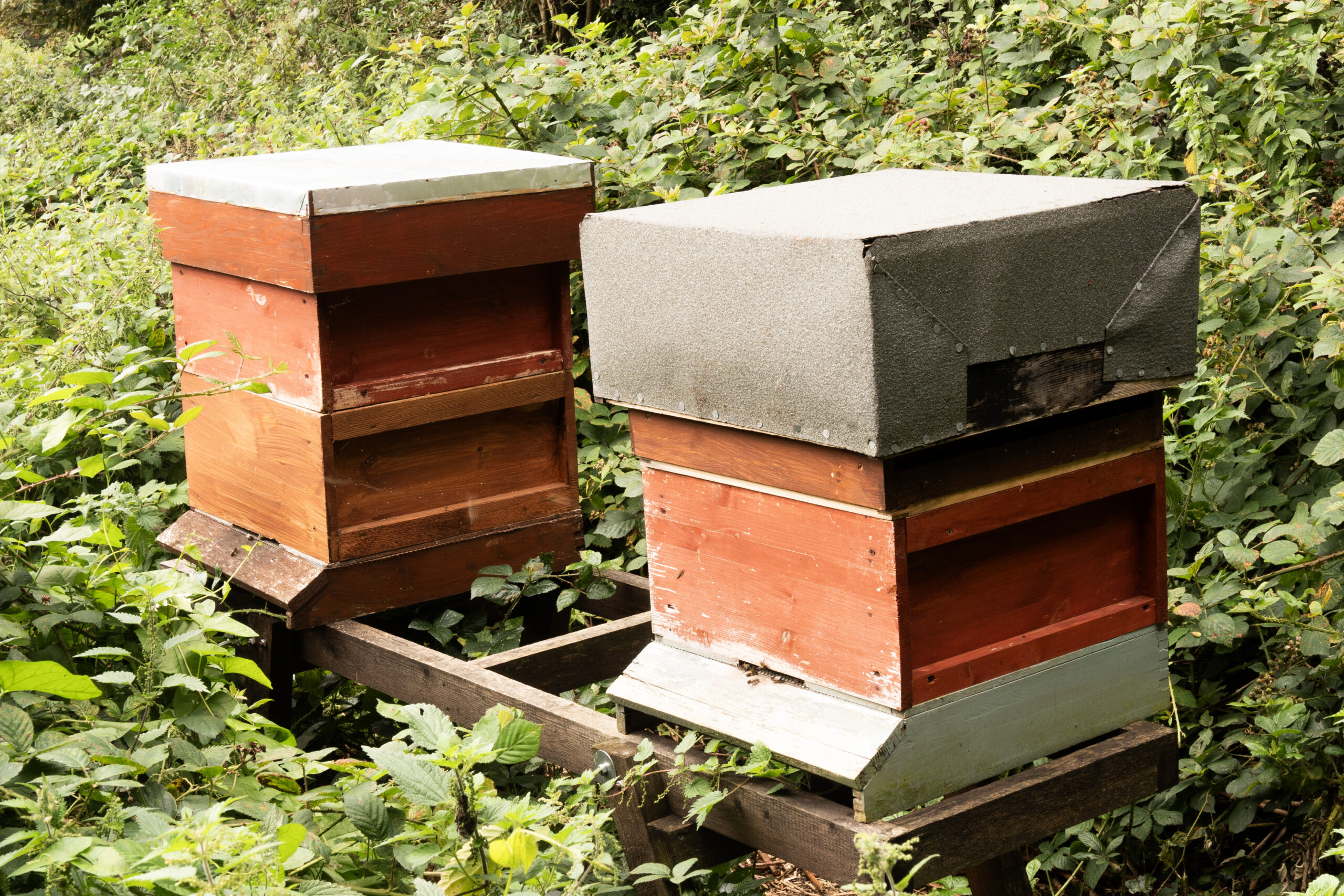
Beehives in Dalgan. Photo: ColumbanMissionImages
Beekeeping: A Community of Pollinators
The region is also involved in supporting local beekeeping projects. Working with former Columban seminarian and local beekeeper Michael Goulding, Dalgan maintains a number of beehives on behalf of local beekeepers. The aim is to foster biodiversity, strengthen pollinator populations, and raise awareness of the bees’ essential ecological role.
The project has become a hub for the Meath Beekeepers Association. Dalgan hosts monthly meetings of local beekeepers and an annual county-wide gathering. At the annual event, a tree is planted in memory of all deceased beekeepers in County Meath, creating a living memorial that combines ecological regeneration with cultural heritage.
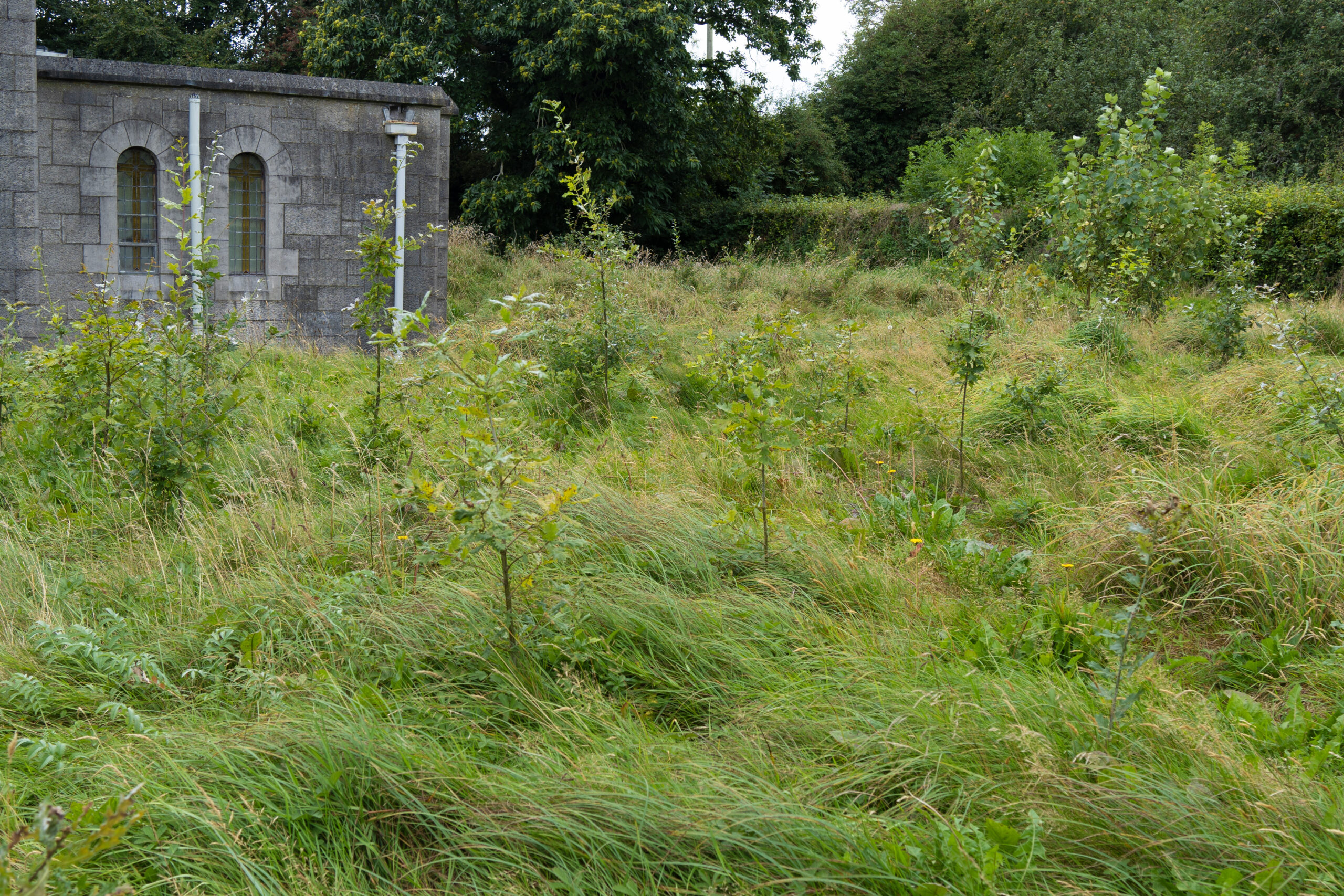
Wilding and Biodiversity: Letting Nature Reclaim Space. Photo: ColumbanMissionImages
Wilding and Biodiversity: Letting Nature Reclaim Space
Another response to Laudato Si’ has been rewilding in Dalgan. Several sections of the property have been deliberately left to regenerate naturally over the past five years. In these areas, young trees are emerging, wild plants are flourishing, and biodiversity is rebounding. Importantly, some of these areas are along roadsides, where the choice to leave grass and flowers uncut is visible to passers-by.
Signs are installed to explain the purpose, emphasising biodiversity and inviting reflection. This visibility is crucial. It transforms what might be dismissed as “untidy land” into a deliberate statement of ecological values. By explaining the ecological benefits – providing habitat for insects, allowing native flowers to bloom, the project educates the wider public and challenges conventional landscaping aesthetics.
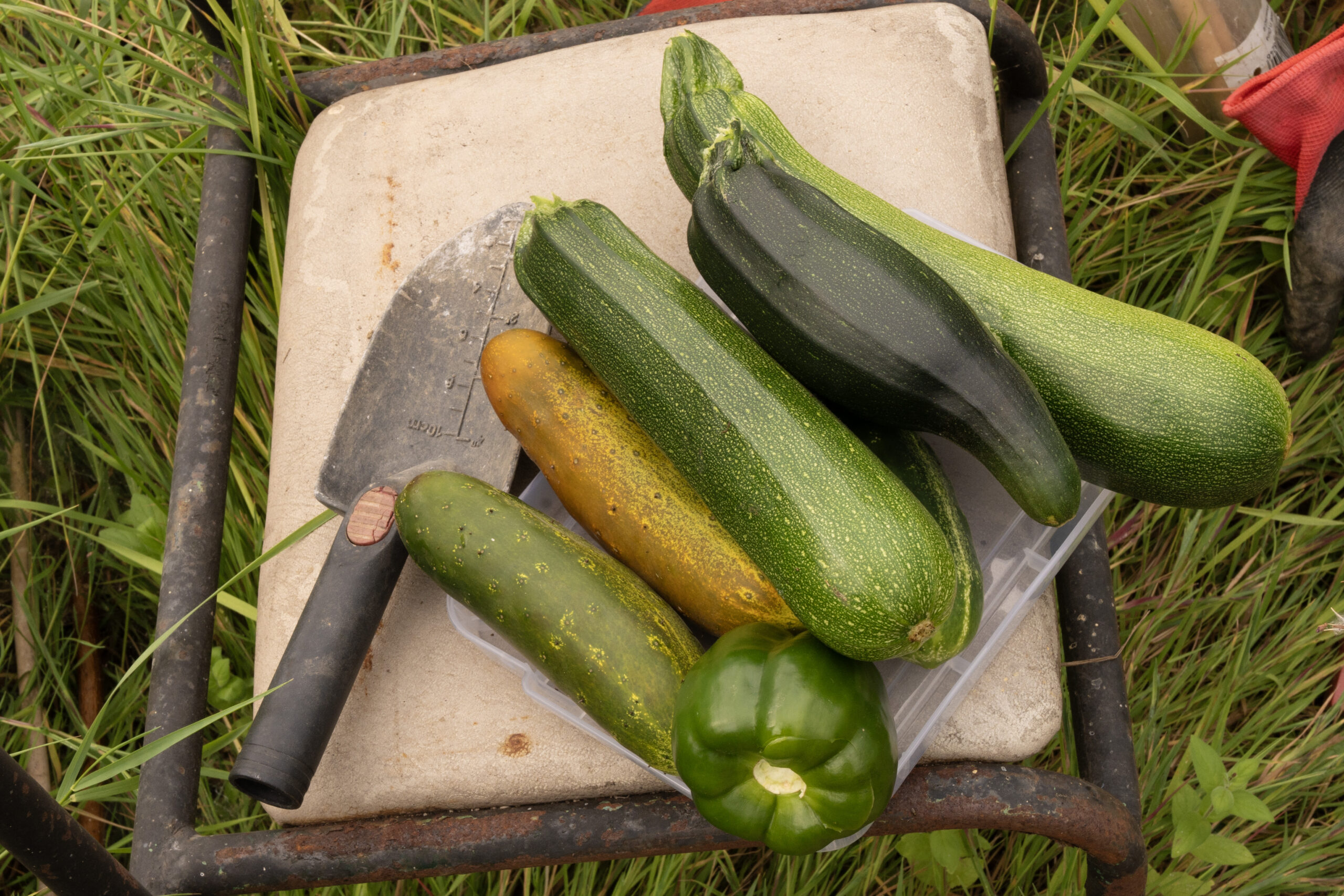
Photo: ColumbanMissionImages
These local projects dovetail into Columban projects overseas. These include Fr Oliver McCrossan’s projects in the Philippines providing training workshops on regenerative agriculture, specifically soil regeneration, for local farmers in Misamis Oriental.
Elsewhere in the Philippines, the Columbans signed a Memorandum of Agreement was signed with the Department of Environment and Natural Resources of the government of the Philippines to reforest 60 hectares of land.
Fr Liam O’Callaghan’s work in Pakistan promoting the principles of Laudato Si’ and awareness of environmental degradation through community education and interfaith dialogue.
One of the major challenges facing part of southern Chile is the lack of native trees and wild flora, primarily due to the proliferation of large monoculture plantations, such as pine and eucalyptus which use copious amounts of water. Columban Missionary Fr Alvaro Martinez has paid for the drilling of a water bore to aid floral diversity, biodiversity, pollination and honey production.
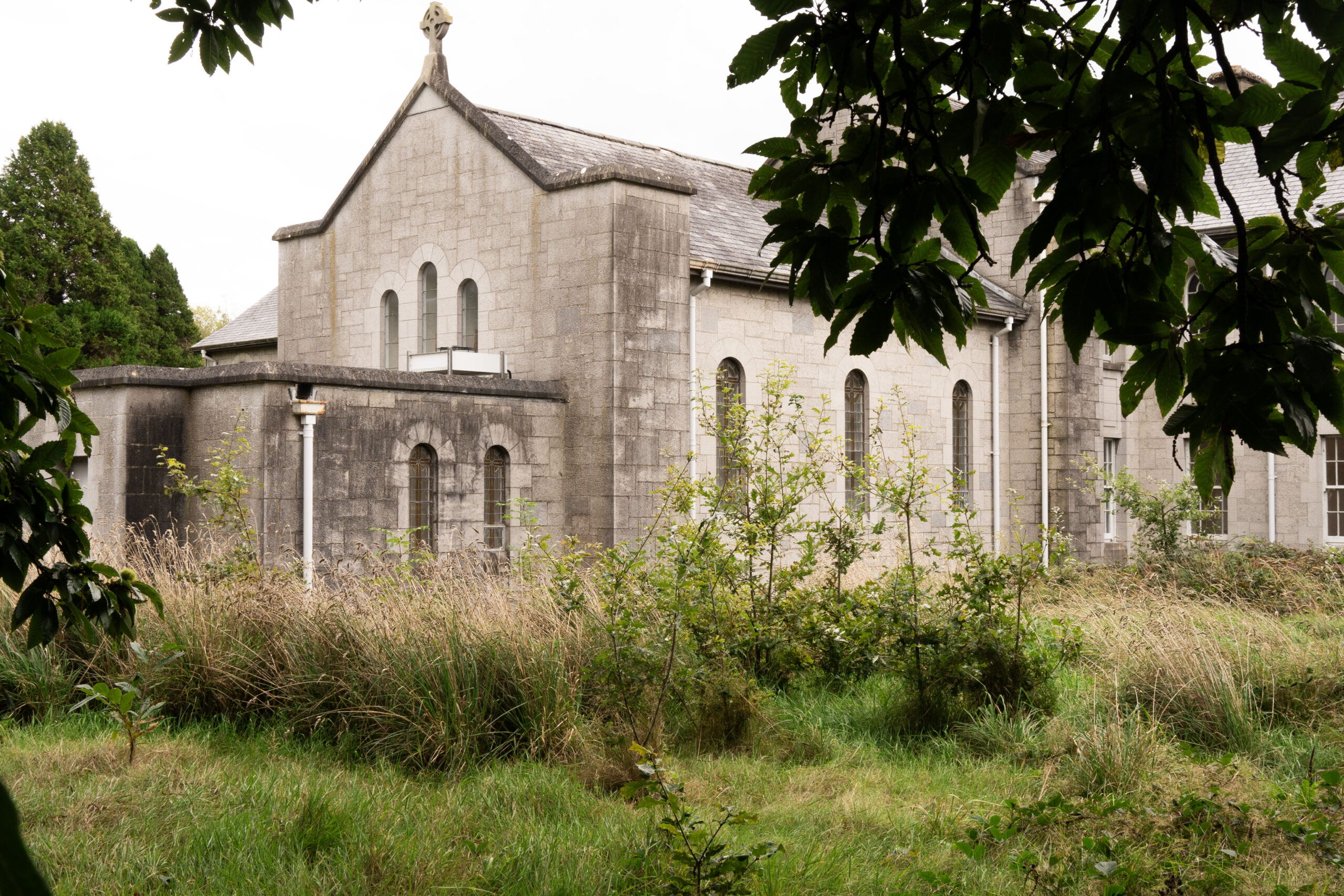
Photo: ColumbanMissionImages